FLASH Report: Perestroika Under Pressure
Cuba's Diaspora Investment Gambit, the U.S. Oil Blockade, and the Question of Regime Survival
Report Details
Initial Publish Date
Last Updated: 1300 UTC, 18 MAR 2026
Report Focus Location: Americas - Cuba
Authors: GSAT, CC
Contributors: GSAT
GSAT Lead: MF
RileySENTINEL provides timely intelligence and in-depth analysis for complex environments. Our global team blends international reach with local expertise, offering unique insights to navigate challenging operations. For custom insights or urgent consultations, contact us here.
Situation Summery
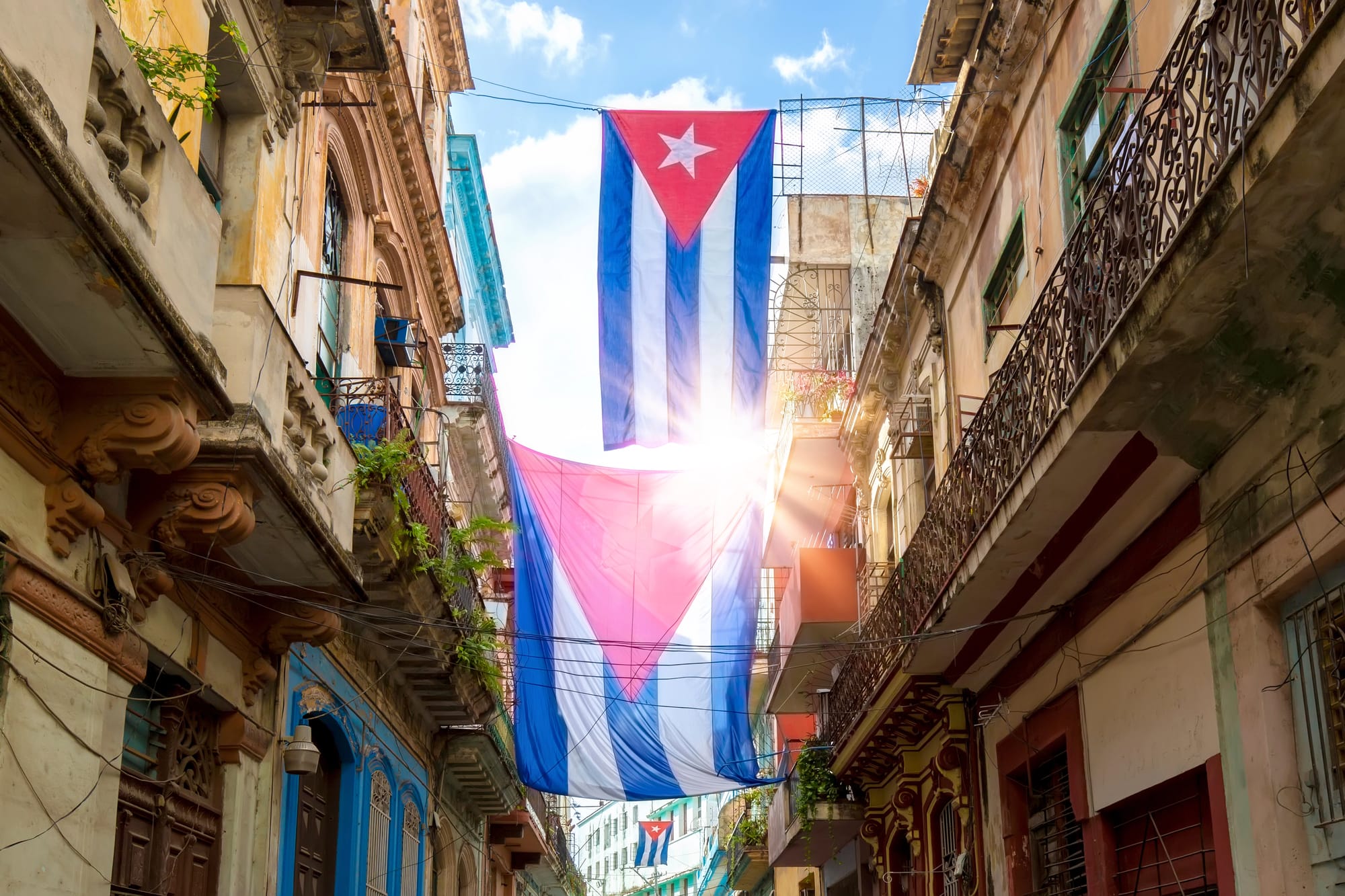
The Cuban government announced on March 16 that Cuban citizens living abroad, particularly those in the United States, will now be permitted to invest in and own private sector businesses directly on the island. Deputy Prime Minister and Minister of Foreign Trade and Foreign Investment Oscar Perez-Oliva Fraga, a great-nephew of Fidel and Raul Castro, confirmed the policy during a broadcast of the state television program Mesa Redonda and in an interview with NBC News. Perez-Oliva stated that Cuba is "open to having a fluid commercial relationship with American companies and also with Cubans residing in the United States and their descendants."
The reforms extend well beyond small-scale commerce. Havana is permitting diaspora Cubans to become partners or owners of private enterprises, invest in infrastructure, open foreign currency bank accounts, establish non-bank financial institutions, and receive land usufruct rights for food production. Priority sectors include tourism, mining, agriculture, energy, and banking. Healthcare, education, and defense remain excluded under state monopoly.
The legal foundation for these reforms is Decree-Law 114/2025, published in the Official Gazette on March 3 and set to take effect in early April. This decree authorizes, for the first time in nearly 60 years, the formation of joint ventures between state-owned and private entities, granting them business autonomy including the right to set wages, determine workforce size, and import and export directly.
Monroe Doctrine 2.0 SpecialREPORT
Remaining content is for members only.
Please become a free member to unlock this article and more content.
Subscribe NowAuthors

GSAT (Geopolitical and Security Analysis Team) is Riley Sentinel's collective byline for team contributions or analysts requiring profile management due to sensitive work. All contributors are vetted by Riley Risk senior staff.
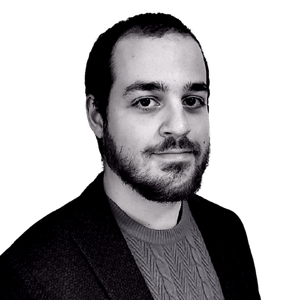
Claudio Costa, Regional Security Analyst at Riley Risk, provides security analysis, and reporting for the RileySENTINEL platform, delivering insights for complex environments.
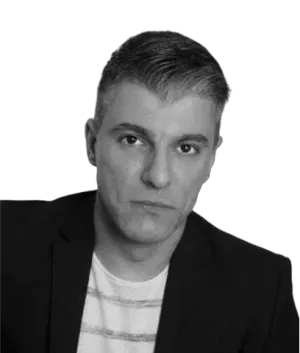
Dr. Marko Filijovic is a Special Advisor for Riley Risk with expertise in geopolitical risk, security intelligence, artic defense and threat analysis. He holds a PhD in Security Studies from the University Of Beograd.