Nigeria SpecialREPORT
Exploring Nigeria's Complex Security Situation and Regional Impact
Report Details
Initial Publish Date
Last Updated: 16 JAN 2026
Report Focus Location: Africa Region
Authors: EB, PS, CMI
Contributors: GSAT
GSAT Lead: MF
RileySENTINEL provides timely intelligence and in-depth analysis for complex environments. Our global team blends international reach with local expertise, offering unique insights to navigate challenging operations. For custom insights or urgent consultations, contact us here.
Bottom Line Up Front
Nigeria faces an escalating multi-front security crisis that prompted unprecedented U.S. military intervention on December 25, 2025. Direct U.S. airstrikes in Sokoto State killed approximately 155 Lakurawa militants according to The New Humanitarian, but failed to halt subsequent attacks, with at least 47 killed in the ten days following the strikes per Saturday PUNCH.
The crisis spans jihadist insurgency in the northeast, criminal banditry in the northwest, intercommunal violence in the Middle Belt, and separatist agitation in the southeast. Over 3.5 million Nigerians remain internally displaced per UNHCR data, with more than 408,000 refugees in neighboring countries. Organizations operating in Nigeria should anticipate continued instability, potential retaliatory violence following U.S. intervention, and sustained school closures in high-risk areas through at least the first quarter of 2026.
Summary
Nigeria is facing a complex security crisis with wide-reaching effects for the region. Recent kidnappings, particularly targeting schools, have drawn international attention and prompted policy responses, including U.S. visa restrictions on individuals linked to religiously motivated violence. The crisis is driven by a combination of criminal kidnappings, jihadist activity, and intercommunal clashes.
Nigeria’s diverse ethnic and religious composition, porous borders, and the fragmentation of armed groups, including Fulani militias, Boko Haram splinters, and separatist organizations such as the Eastern Security Network, create an environment in which violence can spread rapidly. These groups exploit governance gaps, economic pressures, and environmental challenges to pursue both financial and political goals, further undermining state authority. Understanding these dynamics is essential to assessing potential future scenarios, designing effective stabilization measures, and anticipating regional spillovers.
This report analyzes the main actors, their motivations, and the structural factors shaping Nigeria’s insecurity, providing insights for conflict mitigation and regional security planning.
Key Findings
Nigeria's security situation has significantly worsened under the Tinubu administration. The National Human Rights Commission reported 2,266 killed by terrorists and bandits in the first half of 2025 alone, exceeding the 2,194 total fatalities for all of 2024. Since 2009, over 100,000 have been killed according to Vice President Kashim Shettima, with 3.5 million internally displaced per UNHCR data.
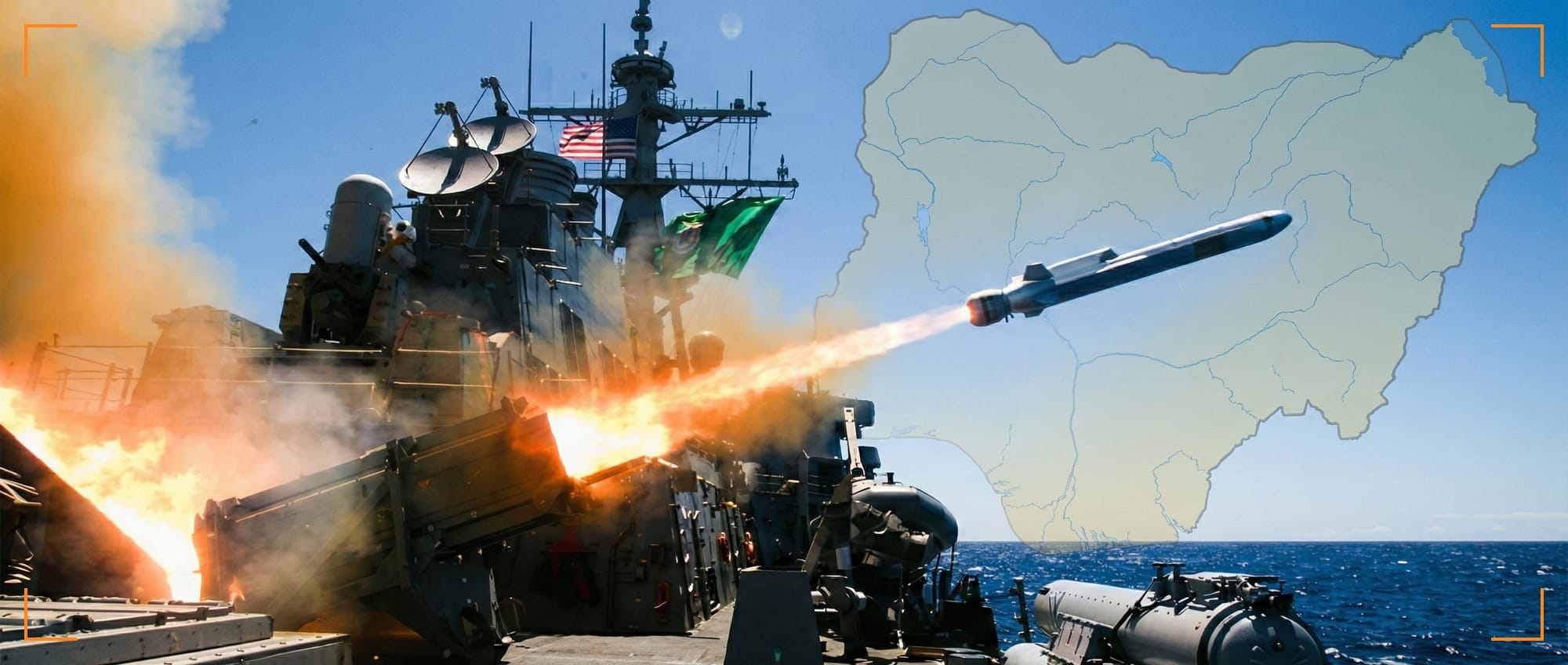
On December 25, 2025, the United States conducted airstrikes in Sokoto State targeting ISIS-linked Lakurawa militants. The New Humanitarian reported approximately 155 fighters killed with 200 missing. The operation used 16 Tomahawk cruise missiles launched from a U.S. Navy destroyer in the Gulf of Guinea, with four missiles failing to detonate.
Boko Haram, the Islamic State West Africa Province (ISWAP), Lakurawa, Ansaru, and emerging groups including Mahmuda and Wulowulo are active terrorist organizations. Armed bandits, predominantly Fulani militia groups locally termed "Unknown Gunmen," are responsible for the majority of kidnappings. Nigeria ranked sixth on the 2025 Global Terrorism Index, up from eighth in 2024.
Remaining content is for members on Charter Member only.
Please subscribe to Charter Member and unlock this article and more content.
Subscribe NowAuthors

Elena Artibani, Regional Security Analyst at Riley Risk, provides security analysis, and reporting for the RileySENTINEL platform, delivering insights for complex environments.

Collins Ikome, Regional Security Analyst at Riley Risk, provides security analysis, and reporting for the RileySENTINEL platform, delivering insights for complex environments.

GSAT (Geopolitical and Security Analysis Team) is Riley Sentinel's collective byline for team contributions or analysts requiring profile management due to sensitive work. All contributors are vetted by Riley Risk senior staff.