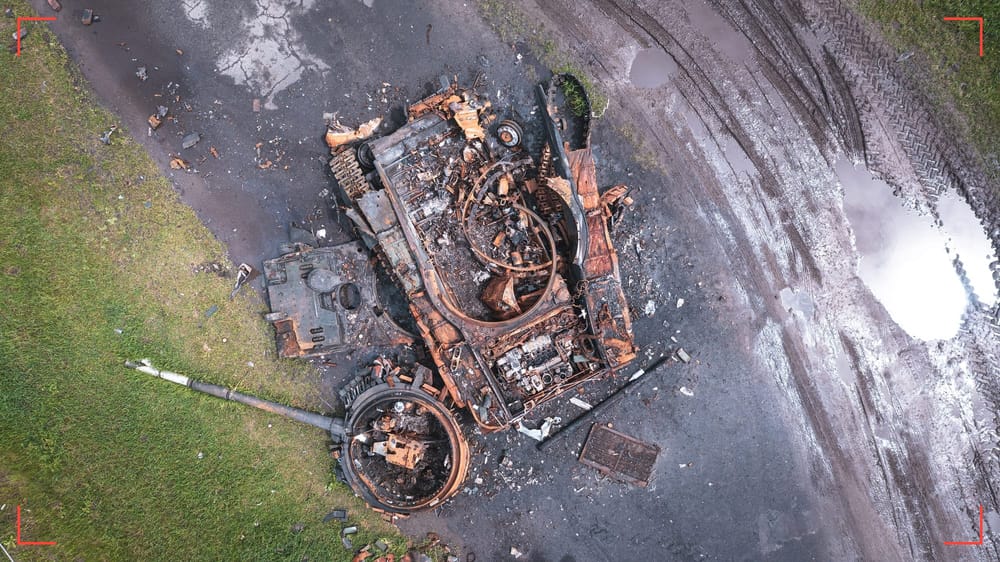
```

Rebuilding Syria SpecialREPORT II

Sanctions Relief, Security, and Debt Recovery SpecialREPORT |JUN 2025
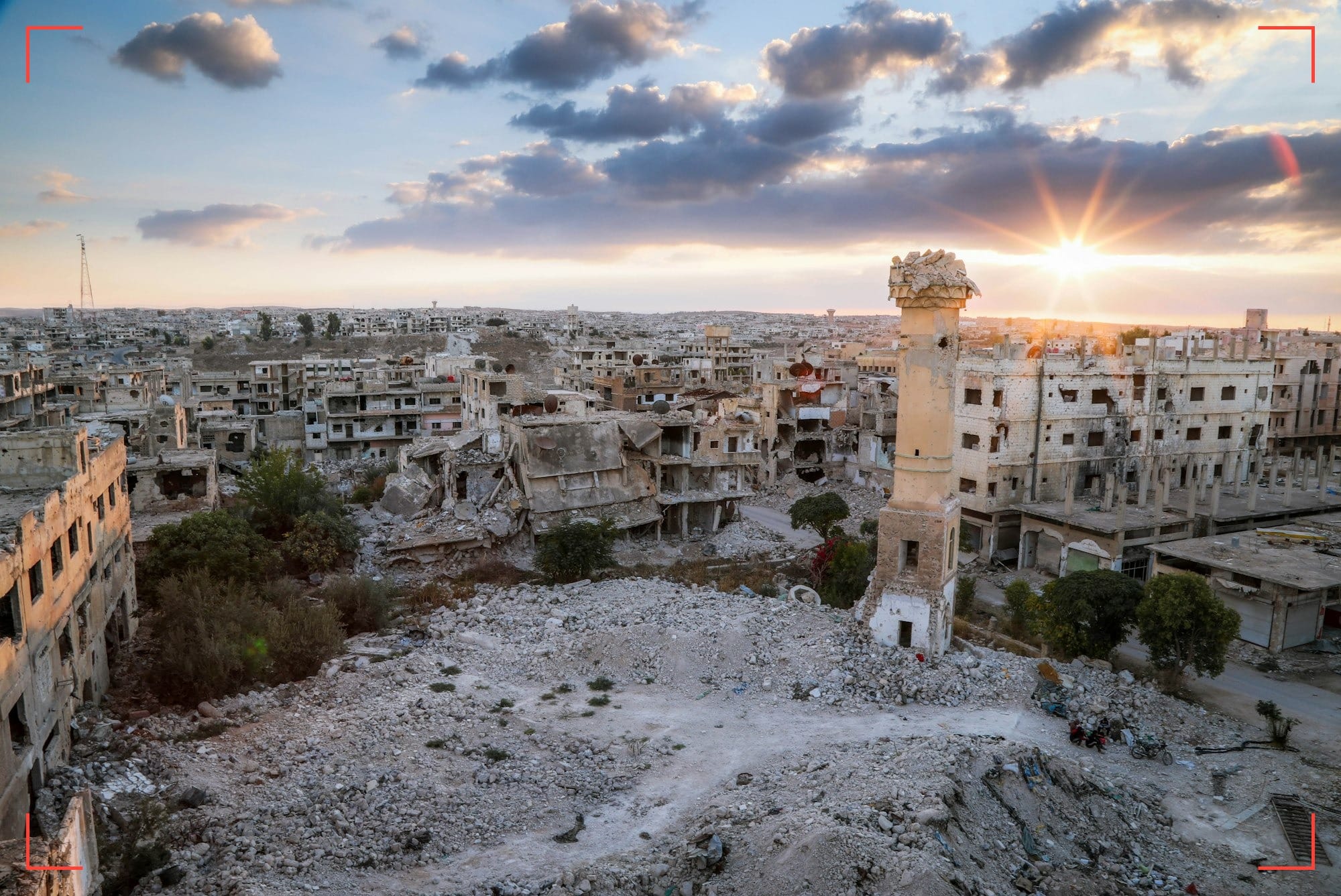
Rebuilding Syria SpecialREPORT II
Photo by Mahmoud Sulaiman / Unsplash
Table of Content

Report Details

Initial Publish Date 
Last Updated: 27 JUN 2025
Report Focus Location: MENA
Authors: AA, SO
Contributors: GSAT
GSAT Lead: MF

RileySENTINEL provides timely intelligence and in-depth analysis for complex environments. Our global team blends international reach with local expertise, offering unique insights to navigate challenging operations. For custom insights or urgent consultations, contact us here

Key Findings

  • Twelve years of civil war have decimated the Syrian economy by more than 50%. Since 2018, 90% of Syria’s 25 million people live below the poverty line. The country is at least $20 billion in debt from foreign loans. 
  • While many of Syria’s economic sectors have collapsed over the past decade, Syria remains a hotspot for Captagon production and smuggling along the nation's borders. 
  • Agricultural production has declined to a quarter of the pre-war total, just 1 million tonnes being produced yearly. Agricultural workers represent just 16% of Syria’s workforce, a significant drop from prewar levels. 
  • Many of Syria’s natural gas and oil fields, which are concentrated in eastern Syria, remain contested between ISIS and Kurdish forces in addition to a significant US presence.
  • Terrorism and sectarian divide continue to be critical threats to national security across the country. Recent ISIS attacks have proven that the terror group remains an active threat in both rural parts of the country and even the capital itself. 
  • The US implemented a significant amount of sanctions relief, issuing Syria with a General License 25 that effectively lifts most sanctions and authorizes US businesses to invest in Syria's private sector. The EU has lifted all sanctions on banking, key recovery sectors, media and television outlets, and energy production. 
  • Saudi Arabia and Qatar have cleared Syria's $15.5 million debt owed to the World Bank. This gesture has allowed Syria to become eligible for new loans and grants from the World Bank for reconstruction and development efforts.
  • Foreign investors, including Türkiye, Qatar, Kuwait, Saudi Arabia, and the UAE, have initiated limited re-engagement with Syria’s economy, despite high risk and uncertainty. These early moves primarily target strategic sectors expected to feature in future reconstruction efforts.
  • Several sectors, such as hydrocarbons, agriculture, and tourism, remain critically underperforming and are not yet viable for widespread investment due to security and infrastructure constraints.

Summary

Since the collapse of the Assad regime and the ascendancy of the new Syrian government led by Ahmed al-Sharaa, the economic and security situation in Syria has remained volatile. The country's GDP, exports, and various economic industries have plummeted while the national debt, rate of poverty, and sectarian divide remain staggeringly high. Additionally, the threats of sectarian violence, terrorism, and drug smuggling have proven to be persistent challenges since the opening days of the civil war. Recent developments in Syria, including sanctions and debt relief, provide insight into industries such as construction, communications, and electricity, among others, that can allow rebuilding Syria and bringing it out of the war-torn devastation it has endured since 2012. This report will analyze the multifaceted risks and opportunities present in Syria, as well as the efforts required to initiate the gradual reconstruction of the country. 

Current Events/Major Issue

Syria’s Economic State

Syria was reclassified as a low-income country in 2018, as 90% of its 25 million citizens reportedly live below the poverty line, according to UN agencies. The World Bank estimates that Syria's economy is worth around $21 billion. Financial data from Syria shows that the GDP declined by 54% between 2010 and 2021, while the World Bank believes the decline is even greater, at around 83%. 

Estimates place Syria’s debt between $20 billion and $50 billion, mostly in bilateral loans from Russia and Iran. It is estimated that Syria's central bank has foreign exchange reserves of $200 million in cash and 26 tonnes of gold worth over $2.6 billion at current market prices.  According to the World Bank, Captagon, an illicit amphetamine-like stimulant, remains Syria’s most valuable black-market export, with an estimated market value of $5.6 billion between 2020 and 2023. 

The Decline of Industries

The decline of top Syrian exports, oil and tourism, has decimated export revenues from $18.4 billion in 2010 to $1.8 billion in 2021, according to the World Bank. In 2010, Syria exported 380,000 barrels per day (bpd) of oil. This source of revenue all but evaporated after the civil war began in 2011. More than a decade of conflict and periodic droughts have devastated Syria's agricultural sector. There are fewer farmers and agricultural workers, irrigation systems have been damaged, and there is reduced access to required farming equipment, like seeds and fertilizers. 

Sectarian Division and Terrorism

Syria's widening sectarian divide, including the Assad regime's collapse and Alawite insurgency,; the weakness of the Al-Sharaa government; and the Syrian Democratic Forces' tension with Ankara and Turkish-backed forces, all provide the Islamic State with the cover to reconstruct its forces. For ISIS to regain the capability to conduct offensive campaigns and seize ground, it must first acquire two operational components necessary for conducting offensive operations: the seizure of necessary armaments and a significant increase in manpower. 

Background

Syria has undergone an immense transformation since the outbreak of the war in 2011. The war began as protests linked to the Arab Spring were met with a violent response, triggering a rebellion. Over 14 years of war, the country saw widespread devastation resulting from urban conflict as various rebel groups fractured, leading to the emergence of extremist groups such as the Islamic State. It is estimated that over 500,000 Syrians were killed in the conflict, which saw millions of other Syrians flee to neighbouring countries, triggering a severe refugee crisis.

Over the late 2010s, the Syrian Government under Bashar al-Assad gradually restored control over the country, aided by Russia, Iran, and Lebanese Hezbollah. These gains came at a massive humanitarian cost, with infrastructure in both urban and rural areas extensively damaged. By the time the conflict froze in 2020, Syria’s pre-war GDP of about $60 billion had halved, alongside living standards. Meanwhile, the Islamic State, while territorially defeated, returned to an insurgency model as it sought to expand its forces and gain influence in other parts of the world. 

The conflict resumed unexpectedly in late 2024 when rebel factions overran the army positions, leading to a rapid collapse of government territory, culminating in the fall of Damascus. With a new government established, Syrians are now grappling with the immense costs of reconstruction. The new Syrian Government has sought to relieve Assad-era sanctions and attract foreign investment. 

Analysis and Future Outlook 

The Debt Crisis

Despite Syria's outstanding debt, debt lawyers report that Assad-era obligations could be written off as debt incurred without the consent of the Syrian people or for their benefit, given that many of these loans went towards funding arms for Assad's forces. Furthermore, the composition of Syrian obligors, including government, central bank, state-owned enterprises, or commercial organizations, must be analyzed as they are different types of debt that may not require the same level of compensation.

The new government reportedly expects to retrieve up to $400 million of its frozen assets to help fund reforms. Western governments froze the assets after 2012, but their exact value, location, and how quickly they could be repatriated remain unclear. Syrian estimates claim that about $118 million and $217 million are being held in Switzerland and the U.K., respectively. 

The Security Dilemma

The recent terrorist attack in Damascus highlights just how significant the instability is in the country. If the Islamic State can attack places of worship in the heart of the country, then their reach likely extends across the nation. The more internal fighting and division there is across Syria, the more helpful the situation becomes for ISIS to accomplish its short-term objectives of gaining armaments and manpower, in order to achieve its long-term mission of becoming a caliphate once more. To prevent a resurgence of the Islamic State’s caliphate, the al-Sharaa government will have to make significant improvements in reducing the sectarian divide across the country. 

Despite the current government’s hostility to the Captagon, Syria remains a hub for the production and distribution of the drug. The al-Sharaa administration has pledged to disrupt the supply chain and has demonstrated this by publicly destroying large quantities of seized Captagon. The sectarian division in Syria could provide cover for smuggling to continue, particularly along Syria's borders with Lebanon, Iraq, Saudi Arabia, and Jordan. 

Sanctions Relief and Resumed Economic Activity

The rapid collapse of the Ba’athist government under Bashar al-Assad in December 2024, and the emergence of a transitional government in its place, has triggered a wave of sanctions relief from Western powers eager to facilitate stability and economic activity in the country. The prospect of sanctions removal presents opportunities for both Syrian and international businesses.

As of late June 2025, the sanctions relief processes are as follows:

·         The United States implemented one of the most significant shifts, issuing Syria with a General License 25 that effectively lifts most sanctions, authorising US businesses to engage in investment in the Syrian private sector, financial services previously prohibited, transactions involving petroleum products, and dealings with the Government of Syria. Alongside, a 180-day waiver for the Caesar Syria Civilian Protection Act has also been implemented. However, controls remain on exports, and the country is still listed as a State Sponsor of Terrorism.

·         The European Union has lifted all sanctions on banking (including the freezing of assets), key recovery sectors (defined as oil, cotton, telecommunications), media and television outlets, and energy production. A number of security-related sanctions remain in place.

·         The United Kingdom revoked sanctions on energy, transport, and banking sectors, and unfroze the assets of 12 Syrian entities, including Ministries, and media companies. Other countries, such as Japan, Canada, and Norway, also issued partial sanctions relief for Syria.

·         In addition to sanctions relief, Saudi Arabia and Qatar announced they will pay Syria’s outstanding debts to the World Bank. Qatar also announced it would pay for Syrian civil servants. Both of these measures are expected to take pressure off Syria’s embattled economy.

However, progress in some areas, such as security-related sanctions, will likely remain slow given the continued uncertainties around Syria’s long-term stability, as well as wider, regional security concerns that may reduce international appetite for significant changes. Risk factors such as attacks on ethnic and religious minorities, continued terrorism, and resurgent authoritarianism are all likely to halt further sanctions relief, and may result in the cessation of sanctions waivers. Given the many uncertainties involved, many prospective investors are likely to wait for more clarity before investing, hindering reconstruction but potentially rewarding early entrants.

Despite these risks, the easing of sanctions already had some tangible effects, with Syria performing its first SWIFT transaction in June 2025 after being cut off from the global economy for 14 years. Furthermore, a number of countries have already entered into business engagements with Syria despite the risks present.

As Syria’s northern neighbour and a significant investor in the Syrian Opposition, Türkiye has already emerged as a dominant early mover in Syria. Turkish exports to Syria already rose by 35.5% by the end of January 2025. Already, specific sectors witnessed explosive growth, with much of it corresponding to Syria’s reconstruction needs. These include exports of machinery (+244%); cement, glass, and ceramics (+92%); and metals (+73%). Turkish conglomerate Kalyon Holdings also signed a $7 billion energy investment project in the country, including the construction of power plants. The Qatari UCC Holdings also joined in this project, alongside the US. Overall, analysts project a significant increase in Turkish exports to Syria in 2025, though this remains highly contingent on the country’s evolving political and security landscape.

Other early movers include the Gulf Kingdoms. In addition to the aforementioned Qatari and Saudi activities, the Emirates also emerged as an investor, with the Dubai-based port operator DP World signing a multipurpose terminal in the port of Tartus worth $800 million. Syria is also engaging with Gulf telecom giants such as Kuwaiti Zein, Emirati Etisalat, Saudi Arabian Saudi Telecom, and Qatari Ooredoo towards expanding fibre optic coverage worth $300 million.

Stability Factors

- Degrading Factors 

  • The majority of Syrians still live below the poverty line, the economy has declined by more than 50% in the past decade, and the government owes at least $20 billion from loans. 
  • Hundreds of millions of government assets remain indefinitely frozen in foreign banks. While some estimates put the cost of rebuilding Syria at upwards of $400 billion.
  • Most of Syria’s oil and natural gas fields are located in the country’s east, in areas that are not under government control and contain a significant presence of the Kurdish Peoples’ Protection Units and U.S. forces.
  • Ethnic and sectarian tensions remain across the country, posing a threat to stability, and opportunities for extremist groups such as the Islamic State, looking to exploit tensions. 

- Stabilization Factors 

  • The World Bank announced last month that Syria's debt of $15.5 million to the International Development Association was paid off by Saudi Arabia and Qatar. Syria is now eligible for new loans and grants for reconstruction and development efforts.
  • In their first visit to Syria since 2009, the IMF has reaffirmed its commitment to rebuilding Syria. IMF staff is developing detailed policies for key economic institutions, notably the finance ministry, central bank, and statistics agency.
  • Major sectors such as construction, energy, and communications are receiving significant investments from Turkish, Gulf, and European investors. Similarly, transit and logistics networks are being rehabilitated for the goal of helping the country emerge as a “regional transportation link”. 

Impact and Recommendations

  • Security conditions remain highly volatile, particularly in areas like Suwayda and Damascus. Organizations operating in or near conflict-prone zones should implement strict movement tracking, maintain close contact with local partners, and avoid large gatherings, government buildings, and religious sites, especially those affiliated with minority communities.
  • The Islamic State’s resurgence poses direct threats to humanitarian and stabilization actors. As ISIS regroups through asymmetric attacks and cross-border smuggling, international staff should be briefed on evolving tactics and prepare for potential disruptions to supply chains, fuel access, and cross-border operations.
  • Debt relief and sanctions easing create a narrow but valuable window for early engagement. Donors and investors should prioritize risk assessments focused on legal exposure, especially regarding transactions involving state-linked entities, dual-use goods, or sectors still subject to partial sanctions.
  • Temporary sanctions waivers and geopolitical fragility require contingency planning. Stakeholders should prepare for the reimposition of restrictions, especially if Syria’s internal security deteriorates or if international consensus fractures over the legitimacy of the al-Sharaa government.
  • Frozen asset recovery may generate opportunities for institutional partnerships. Donor agencies and development actors should monitor unfolding asset repatriation processes to identify alignment with priority reform initiatives — particularly those led by the finance ministry and central bank under IMF guidance.
  • Operational forecasting must incorporate the drug trade’s destabilizing effect. Despite government crackdowns, Syria’s role as a Captagon hub threatens cross-border security and reputational risk. Businesses and NGOs must factor this into vetting processes for local vendors, logistics routes, and hiring practices.

RileySENTINEL 

Our RileySENTINEL platform delivers comprehensive global, regional, and country-specific situation reporting and analysis. Powered by the Riley Risk team, our Geopolitical & Security Analysis experts provide:

  • Timely, on-the-ground intelligence
  • In-depth analysis of high-risk environments and events
  • Proactive insights to navigate volatile operational contexts

Our globally distributed advisors and analysts combine global reach with regional expertise and local insights, empowering clients with unique perspectives to make informed decisions in challenging environments.

Enhance Your Risk Management Strategy
For deeper insights or enhanced custom reporting tailored to your specific needs, we offer on-demand consultations. An expedited response option is typically available, based on our team and advisor availability. 

To explore how our risk advisory services can strengthen your business operations and help you achieve more, schedule a call with the RileySENTINEL team using the service booking link below.


Expert Analysis On-Demand: Request Support

Leverage RileySENTINEL's expert team for deeper analysis and tailored insights:

  • On-demand consultations with our global network of advisors
  • Custom reports focused on your specific operational contexts
  • Proactive risk mitigation strategies for volatile environments
  • In-depth analysis of regional stability factors and future outlooks
  • Expedited response options for time-sensitive inquiries

Click this link to be redirected to the support request page. 


RileySENTINEL: Global Insights. Local Expertise.

Subscribe to join the discussion.

Please create a free account to become a member and join the discussion.

Already have an account? Sign in

Sign up for RileySENTINEL newsletters.

Stay up to date with curated collection of our top stories.

Please check your inbox and confirm. Something went wrong. Please try again.