South Sudan SpecialREPORT: The Akobo Ultimatum
Escalating Conflict, Humanitarian Collapse, and Regional Instability in South Sudan

Report Details
Initial Publish Date
Last Updated: 08 MAY 2026
Report Focus Location: South Sudan
Authors: DF, PS
GSAT Lead: MF
RileySENTINEL provides timely intelligence and in-depth analysis for complex environments. Our global team blends international reach with local expertise, offering unique insights to navigate challenging operations. For custom insights or urgent consultations, contact us here.
Executive Summary
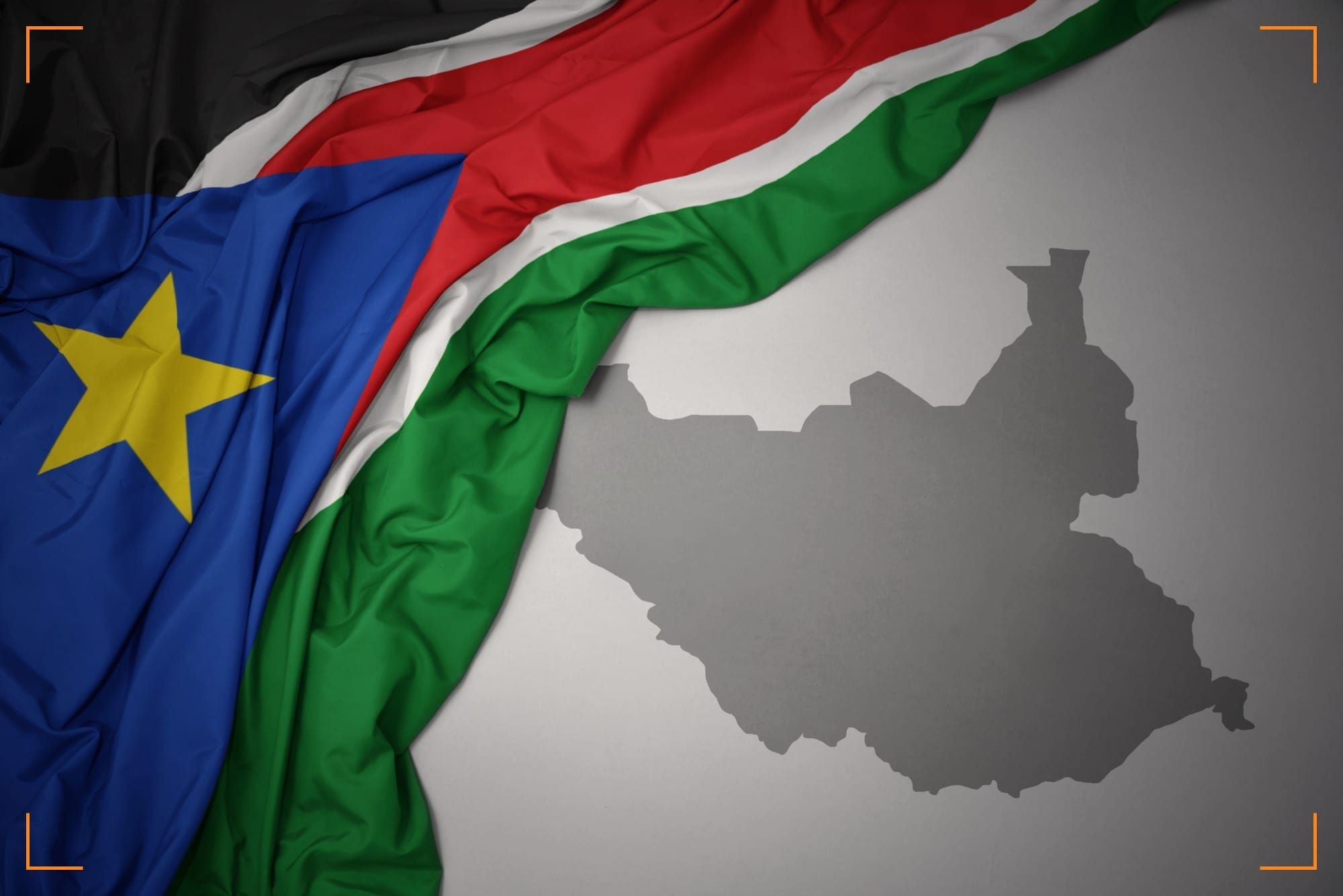
South Sudan's fragile post-war order is fracturing. The arrest and ongoing trial of First Vice President Riek Machar, intensifying clashes between government and SPLA-IO forces, and the deliberate drawdown of UNMISS from opposition-held areas have collectively pushed the country to its most unstable point since the 2018 peace agreement. The direct military intervention of Uganda, a designated guarantor of that agreement, on behalf of President Kiir's forces has further eroded the political framework that has kept large-scale civil war at bay.
The economic foundation underpinning any prospect of stability is equally compromised. South Sudan's budget depends on oil revenues for 80 to 90% of government income, a revenue base that sustained a 23.8% economic contraction in fiscal year 2025 following the Petrodar pipeline shutdown and is still operating well below pre-war production levels. Against that fiscal backdrop, roughly 80% of the population, approximately 10 million people, now requires some form of humanitarian support, a scale the government cannot meet without sustained international funding that is itself contracting.
A negotiated political solution remains the only viable path away from renewed civil war. Military resolution has no credible endpoint: SPLA-IO forces have demonstrated they retain operational capacity, Uganda's involvement risks internationalizing the conflict further, and the collapse of the Machar trial into a verdict that bars him or his party from the December 2026 elections would remove the last formal mechanism for political competition. The consequences of failure extend well beyond South Sudan's borders, into an already overstrained regional humanitarian system.
This is the condensed intelligence brief. The full SpecialREPORT (8,000+ words) includes detailed analysis of sanctions regimes, economic vulnerability assessments, operational risk matrices for Venezuela, Cuba, and Nicaragua, scenario probability modeling, and regulatory compliance exposure by country.
[Download the full report at the end of this report]
Remaining content is for paid members only.
Please subscribe to any paid plan to unlock this article and more content.
Subscribe NowAuthors

Dr. Marko Filijovic is a Special Advisor for Riley Risk with expertise in geopolitical risk, security intelligence, artic defense and threat analysis. He holds a PhD in Security Studies from the University Of Beograd.

Dimitri Fragopoulos, Regional Security Analyst at Riley Risk, provides security analysis, and reporting for the RileySENTINEL platform, delivering insights for complex environments.