```
Syria Special Report: DEC 2024
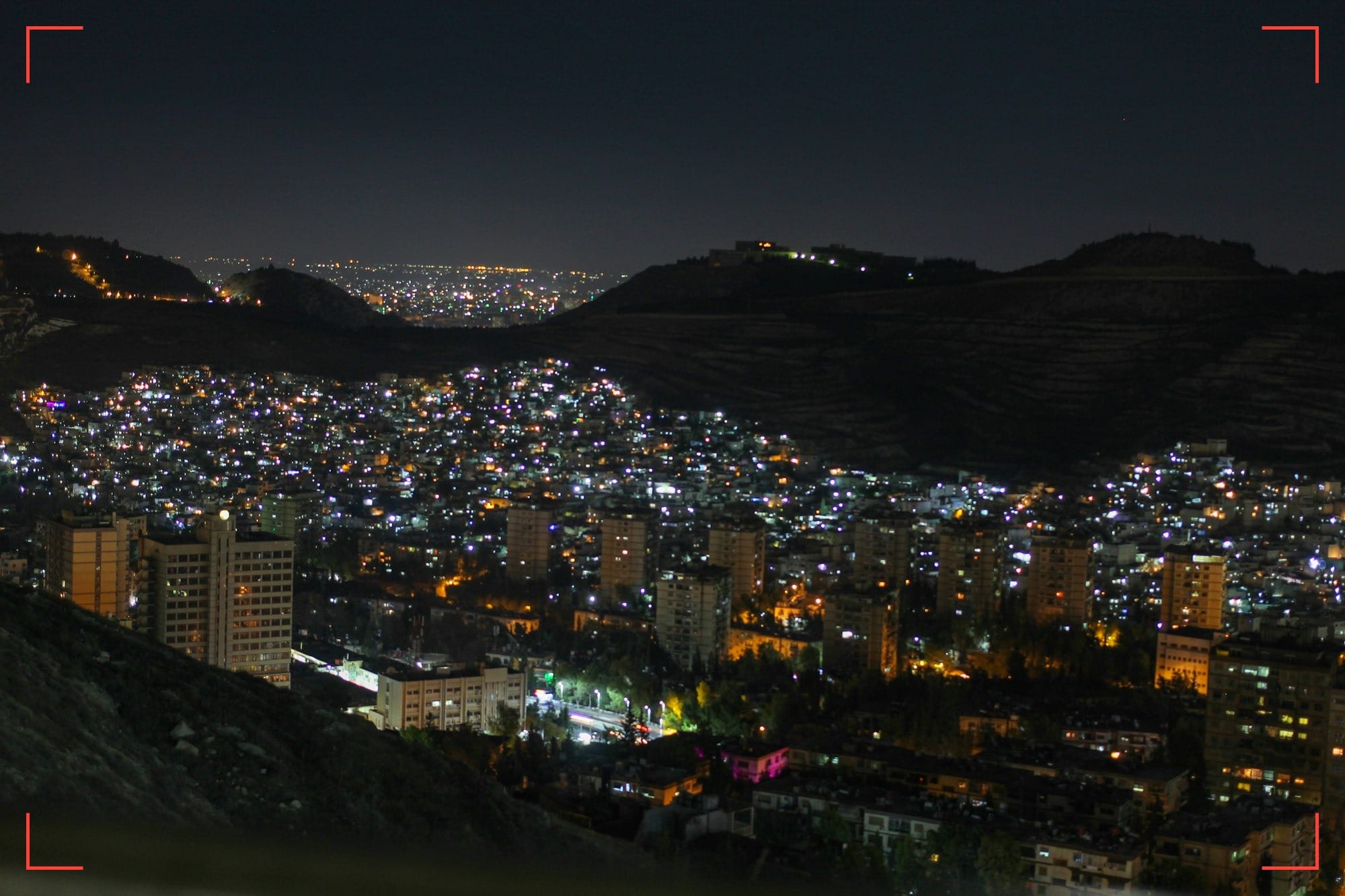
Photo by T Foz / Unsplash
Table of Content

Report Details

Initial Publish Date 
Last Updated: 10 DEC 2024
Report Focus Location: Syria
Authors: CM, MA
Contributors: GSAT, DA
GSAT Lead: MF

RileySENTINEL provides timely intelligence and in-depth analysis for complex environments. Our global team blends international reach with local expertise, offering unique insights to navigate challenging operations. For custom insights or urgent consultations, contact us here

Key Points

  • On 8 December 2024 anti-government groups, of which Hayat Tahrir al-Sham (HTS) is the most prominent, toppled the al-Assad government when it seized control of Damascus. In turn, President Bashar al-Assad, who has been in power since 2000, has fled the country and is allegedly seeking asylum in Russia. 
  • The initial attack on 29 November 2024 by anti-government forces who seized Aleppo, one of Syria’s biggest cities in the northeastern part of the country, was one of the most significant anti-government moves in recent years. These groups then continued to Hama, the second biggest city, and seized it on 1 December 2024. 
  • These attacks are part of the Syrian civil war, which started in 2011 during protests inspired by the Arab Spring. 
  • Anti-government sentiments have been long-standing in Syria’s political discourse since Bashar al-Assad’s father, Hafez al-Assad, took power through a military coup d’etat in 1970. 
  • Since then, both the father Hafez and the son Bashar al-Assad have ruled Syria through a repressive authoritarian military regime. 
  • The mood in the country is ambivalent, with many celebrating the fall of Assad’s regime. At the same time, there are concerns about whether the various rebel factions will not be able or willing to agree on how to form a new, inclusive administration.
  • Syrians and foreign powers are closely watching the new leaders, especially HTS leader al-Jolani. He needs to prove his commitment of protecting minority rights. Many fear that once he solidifies his power, the country could fall under another authoritarian rule with strict Islamic principles.
  • Russia and Iran appear to be facing setbacks in recent developments, while Turkey and Israel are perceived to be gaining advantages. The Syrian Kurds could also see potential benefits if they reach an agreement with other rebel factions; however, without such unity, they may encounter continued challenges and conflict.
  • It is uncertain whether Russia, Iran, the U.S., Israel, and Turkey will recognize the new government. This decision will be crucial for stabilizing the country and enabling a peaceful transition, which is vital for rebuilding and economic recovery.

Summary

Syrian political history at-a-glance

France gained control of Syria through a special mandate at the end of the First World War. The mandate differed from colonialism with France being the trustee of Syria until the inhabitants of Syria were eligible for self-government. Syria gained autonomy from France in 1946, when French troops retreated from the country with Syria proclaiming its sovereignty. However, Syria experienced considerable political instability after its independence. The Syrian government was overthrown in March 1949 by units within the military led by the chief of staff Colonel Husani Zaim. Thereafter, between 1954 and 1971 Syria had another four coups and one takeover attempt. Syria also briefly joined Egypt to become one country known as the United Arab Republic. This union was an initiative by the then Egyptian president Gamal Abdel Nasser and military leaders in Syria to promote the establishment of a larger pan-Arab state. However, a coup d’etat by Syrian military leaders in 1961 dissolved the United Arab Republic. 

The 1963 coup brought the Arab Socialist Ba'ath Party to power, establishing a long-standing, oppressive one-party system that would dominate Syria for years. In 1970 General Hafez al-Assad seized power of the Ba’ath party and the country and became the president of Syria. He was an autocratic leader who led severe repression campaigns against the population. Although most Syrian power grabs only lasted a few years, Hafez al-Assad’s coup d’etat was made to last with his convulsive oppression. He maintained a strict policy against opposition in both politics and civil society. To preserve his power, the ruler established a large and well-trained military together with secret police to root out any dissent that might grow against him. The event that came to define Hafez al-Assad was the Muslim Brotherhood uprising in 1982 which aimed to impose a leadership change in Syria. It is estimated that his security forces killed up to 20,000 people in the uprising. In June 2000, Hazed al-Assad died from a heart attack. 

Although Bashar al-Assad immediately took up the position of president, the presidency was originally intended for his older brother Basil al-Assad. The latter was expected to become president upon the death of his father but died in a motor accident in 1994. The Syrian constitution did not allow for a president younger than 40 years of age, however, in the days after the death of Hafez al-Assad, the Ba’ath Party changed the constitution to allow the 34-year-old to become president. Bashar al-Assad started his presidency on a positive note, as he was widely seen as potentially open-minded and inclined toward democratic leadership. However, after a few years, Bashar al-Assad adopted an authoritarian and repressive approach, similar to that of his father. In 2011 the Arab Spring protests broke out across most Arab countries to which Bashar al-Assad responded with severe crackdowns. This culminated in the outbreak of the multi-sided Syrian civil war in 2012 which has continued until the present. 

The Syrian government and army are largely backed by Iran and Russia, whereas the anti-government groups such as the Free Syria Army were backed by the United States (U.S.) and the North Atlantic Treaty Organization (NATO) members. The conflict between the anti-government groups and the Syrian government reached its peak between 2012 and 2015 with conflict ravaging the country and leading to the formation of Al-Qaeda affiliated insurgency groups. Iran and Russia helped to keep the al-Assad government in power, with the respective countries launching military interventions in Syria. Therefore, by late 2018 the conflict has mostly subsided to the rebel strongholds in various locations throughout the country. On 29 November 2024, Hayat Tahrir al-Sham together with other anti-government groups launched an offensive against the city of Aleppo and in the following eleven days continued the fighting by seizing Hama and then the capital city of Damascus. Following the toppling of the al-Assad dynasty, Bashar al-Assad, along with his wife and family, is allegedly seeking asylum in Russia. 

Internal conflict under scrutiny

In March 2011 during the Arab Spring, various peaceful protests erupted in Syria about high unemployment, corruption, and lack of political freedom. Bashar al-Assad responded forcefully to the demonstrations, claiming that they were foreign powers trying to intervene in the country. As protests escalated, so did the government’s crackdown on dissenters. However, due to the intensity of the tension between the demonstrators and the government, peaceful mobilizations evolved into a civil war as citizens took up arms to defend themselves against government crackdowns. Initially, foreign countries such as Russia, and Iran, and the Lebanese-based Hezbollah supported the Syrian government by providing military aid. However, in 2015 Russia became openly involved in the war by deploying military troops in Syria. Iran has also deployed military personnel to fight in the Syrian internal conflict. Russian and Iranian support was vital to the Syrian government’s power and played a key role in turning the conflict in their favor. 

The anti-government groups in Syria have received variations of foreign support throughout the conflict. At the onset of the conflict, the U.S., United Kingdom (UK), and France provided arms to anti-government groups they considered to be moderate. In 2014 the mentioned U.S.-led coalition launched a series of airstrikes in support of the Kurdish and Arabian militias to capture territory in the northeastern part of Syria. However, these actors started to wane in their support when jihadist groups such as al-Qaeda became involved in the conflict. Thus, this group started providing only non-lethal assistance to avoid encouraging terrorist activities. 

An important dimension of the Syrian civil war is also that of Syrian Kurdish-speaking people. The Kurds are an ethnic group in Syria who have been campaigning for the establishment of a sovereign and autonomous Kurdish state, Western Kurdistan, in the northeastern part of the country. Kurdish rebels have formed their militia groups and participated in the civil war as anti-government groups. These Kurdish militias prompted Turkey's involvement in the civil war, as they were seen as an extension of a banned Kurdish rebel group within Turkey. Hence, Turkey supported other anti-government groups to contain the Kurdish militia groups.  

The involvement of Iran in the civil war also encouraged Saudi Arabia to support anti-government groups as it aimed to curb Iranian influence within the region. Reportedly, this State provided a large-scale supply of military weapons and ammunition to anti-government groups. After the escalation of Russian and Iranian military support in 2015, Saudi Arabia also increased its supply of military weapons to counter the Syrian government’s offenses. Similarly, Israel has also become concerned about Iran’s growing military influence within the country. What greatly concerns Israel is the Syrian government supporting Hezbollah and providing it with resource support transported through Syria. 

The anti-government groups' attack on 29 November 2024 was one of the biggest strikes against the Syrian government since 2018. It can be argued that this offensive was largely triggered by the ceasefire agreement between Lebanon and Israel, as the Syrian military has been involved in the Israeli attacks on Lebanon. Therefore, Al-Assad’s dissidents could have believed it was strategically the best time to launch an attack against the government, as both Hezbollah and the Syrian army were at a weak point. Likewise, some anti-government groups may have sought to intensify their activities before the Syrian army's return following the ceasefire agreement.

Seeing as there was no significant resistance to the anti-government groups' takeover of Aleppo and then Hama, the rebel groups seized the capital city of Damascus on 8 December 2024. Given this scenario, Bashar al-Assad fled the country and proclaimed that he was in favor of a peaceful transition. It is currently understood that the Syrian government will remain under the surveillance of al-Assad’s administration until it becomes clear who exactly will take control of the State, considering the involvement of the various anti-government groups who contributed to toppling the al-Assad government. 

Impact of the Syrian civil war 

The Syrian civil war has produced a devastating effect on not only the country’s economy and infrastructure but also on its citizens. As of November 2024, Syria has one of the biggest displacement crises globally, with over 14 million people being forcibly displaced globally. 3 million Syrian refugees are in Turkey, making it one of the countries with the biggest refugee population in the world. There is also a big displacement of people within Syria. Many of them are families who are fleeing to safer areas to provide for their families. Due to the increasing conflict, it has become difficult for Syrian people to receive money or food. This has led to 16.7 million people in need of humanitarian aid within the country. The United Nations Children’s Funds (UNICEF) estimates that there are currently 7.5 million children in Syria who require humanitarian aid. 

The conflict in Syria has also become a regional concern as many neighboring countries are involved. This has left the Syrian conflict to become somewhat of a proxy war as countries such as Saudi Arabia use the conflict to exercise their foreign policy by countering Iranian influence. Additionally, Israel has also been interfering in the conflict to curb the support and military activity of Hezbollah. The Syrian conflict also places significant pressure on already strained regional pressures. 

Future Outlook

Videos and reports from Syria highlight the complex situation resulting from the rapid rebel offensive. Many Syrians are expressing support for the end of the Assad regime and its security forces, which have been associated with widespread fear and repression among the population. Certainly, the abrupt ending of the Assad family’s rule after more than 50 years and 13 years of civil war since 2011, shocked more than one. On the other hand, many people, including minority groups, remain distrustful of the new rulers until a government supported by various factions is established and begins making decisions based on law and governance. It is expected that the Alawites, Kurds, and Christians will closely watch the process of establishing a new government and whether there will be acts of retaliation against those who have been affiliated with Assad’s regime.

Foreign countries will also carefully observe the next steps of the victorious rebel groups, especially those of the main group HTS, and its leader al-Jolani, currently a highly influential man in the country. Al-Jolani distances himself from former and current terrorist organizations like al Qaeda or ISIS, and over the last two weeks, their actions have appeared like those of a liberation movement according to specialists. Former MI6 chief, Sir John Sawers, believes that foreign powers will have to engage with al-Jolani with the new reality on the ground and that the proscription of HTS might need to be reviewed after 12 years to do so. The reports on the rebels’ behavior towards Christian and Druze minorities in Idlib and Aleppo thus far are encouraging, since they have been treated fairly and the churches in Aleppo have remained functional and undamaged since the recent seizure. It remains unclear whether the new government's assurances to protect minority rights are merely rhetorical or will be supported by concrete actions. There is a sense of skepticism regarding whether the government will fulfill its promises once the country stabilizes and its power has been consolidated.

Ongoing conflicts between Turkish-backed Islamist groups and U.S.-backed Kurdish factions suggest that stabilizing the country and uniting its various groups will take time. These factions were primarily united by their shared goal of overthrowing the Assad regime. With thousands of Syrians who have suffered under Assad, preventing acts of revenge against Assad's associates—a potential spark for renewed fighting—will be a challenging task. However, the rebels’ willingness to cooperate with the current prime minister is a promising sign that a peaceful transition may be possible. This scenario could materialize, especially if Assad's supporters, Russia and Iran, can reach an agreement with the new government to maintain some of their influence in the country.

Syria’s future is challenging, and the new government will have many tasks at hand. Many observers agree that the situation in the country will remain uncertain and volatile in the coming weeks or even months. There is the potential of a power vacuum that could lead to prolonged instability and chaos, with new fighting between the various factions across the country. Amidst the uncertainties of who is going to take part in the new government and how a peaceful transition could be arranged, there is also the danger that ISIS will try to take advantage of the chaotic situation. Recent airstrikes of the U.S. military against positions held by the terrorist group show the concern of foreign countries that the group could seek to rise up from the ashes.

There are several foreign powers with significant interests in the country, further complicating reconciliation efforts as they try to exploit the existing divisions to serve their geopolitical objectives. Much depends on the new leadership’s ability to consolidate its power by ensuring no armed groups are contesting their rule, and by deciding how to share power among the coalition of opposition groups. The new government will then need to seek international recognition to be viewed as legitimate domestically and externally. International actors will demand that a moderate administration must be formed which refrains from fighting the Kurds and other minorities, and which does not support terrorist groups like Hezbollah or Hamas. If those conditions are accepted, the government could be recognized and gain access to foreign aid. The Syrian civil war illustrates the dynamics of a proxy conflict, making the actions of foreign powers such as Russia, Iran, Turkey, and the U.S. crucial in facilitating a peaceful transition and preventing further tensions among groups previously supported by these competing actors.

As soon as the new government is formed, it will have to start rebuilding the country and reinforcing economic growth that can provide the conditions for a more equally distributed wealth. It will also need to maintain unity to prevent another civil war. In the worst-case scenario, the country could become a failed state or a hub for extremist groups, posing significant threats to neighboring countries and global security.

The following paragraphs will briefly describe the impact of recent developments in Syria on the main foreign powers involved in the country’s politics and civil war — Russia, Iran, Turkey, the U.S., and Israel.

The loss of Russian bases in Syria will most probably have significant implications for Russia's global military presence and its capacity to operate in Africa. The Tartus naval base has been key for Russia to project power in the Mediterranean Sea, threaten NATO's southern flank, and connect its Black Sea assets to the Mediterranean. If Russia loses its bases in Syria, it will likely disrupt its logistics, resupply efforts, and rotations of the Africa Corps. This disruption will particularly weaken Russia's operations and power projection in Libya and sub-Saharan Africa. While Russia may try to leverage its presence in Libya or Sudan as alternatives, the absence of formal agreements with these countries and inadequate infrastructure makes them unsuitable substitutes.

The collapse of the Assad regime might challenge Russia's global reputation as a dependable ally. It could reduce its influence among leaders it aims to support and complicate its broader geopolitical ambitions of strengthening its position as a global power.  While the Russian government seeks to demonstrate its loyalty to allies by reportedly granting Assad and his family asylum, this gesture is unlikely to reassure potential partners of Russia's ability to maintain them in power. Russia did not come in defense of Armenia when Azerbaijan took over Nagorno-Karabakh in 2023, and now they did not prevent the fall of Assad.

The other main backer of Assad, Iran, is also suffering a heavy blow from the regime’s fall. Syria has long been a crucial partner in Iran’s "Axis of Resistance," which includes Syria, Hezbollah in Lebanon, Iraqi militias, Yemen’s Houthis, and various Palestinian groups. However, this alliance is now under strain. Iran has invested significant resources in these allies to counter U.S. and Israeli influence in the region. With recent developments, particularly since the Hamas attacks on October 7, 2023, Iran faces serious challenges and must re-evaluate its strategies and objectives. Both Iran and its allies, especially Hamas and Hezbollah, have suffered major setbacks due to actions taken by Israel.

Additionally, Iran’s standing among its closest partners has been negatively impacted by its inability to provide substantial support. The fall of Assad only heightens the perception that Iran may have overextended itself, particularly as its economy struggles under the weight of sanctions. As a result, other regional players, notably Turkey and Saudi Arabia, might see this as an opportunity to expand their influence and emerge as the dominant powers in the region. Hezbollah has lost its key supply route from Iran with the regime’s fall and will have to find new routes for weapons smuggling. In another line of thinking, hardliners in Iran could conclude that the country needs to pursue nuclear weapons more determinedly with the country’s deterrence capability weakened. The Iranian regime appears to have overestimated its options and influence in the region, raising questions about whether domestic pressure might prompt a shift in leadership or new diplomatic approaches toward Saudi Arabia and the UAE.

Turkey is expected to enhance its geopolitical influence in the region following the decline of its long-standing opponent. The country has strong connections with several powerful rebel factions and will play a significant role in forming the new Syrian government. President Erdoğan is pursuing multiple strategic goals, including curbing Kurdish separatist movements in northeastern Syria, which are linked to similar groups in Turkey. Additionally, Turkish businesses will likely benefit from the reconstruction efforts needed in Syria. Although Turkish Foreign Minister Hakan Fidan emphasized the importance of inclusivity in the new Syrian administration and the need to avoid seeking revenge, he also stated that Turkey does not anticipate any role for the Kurdish-led Syrian Democratic Forces (SDF) in Syria’s future.


Turkey hopes that many of the Syrian refugees currently in the country will be able to return home once the situation stabilizes and a new government is established. While Turkey's influence and role in the region are expected to grow, potential risks are involved. The likelihood of new instability and violence in Syria—if various rebel factions fail to agree on forming the new administration—could negatively affect security along Turkey’s borders and lead to additional waves of refugees seeking asylum.


Moreover, Erdoğan must navigate a careful diplomatic balance to avoid jeopardizing Turkey's relationships with Russia and Iran, especially given Turkey’s prominent role in the ousting of Assad.

The assessment of recent development’s impact on the U.S. influence in the region is ambivalent. There’s a possibility that the U.S. administration will seek the best approach to curb the influence of Iran and Russia and improve its relations with the countries in the Middle East. There is also uncertainty as to how the incoming Trump administration will handle with the region. Trump made it clear in the aftermath of the regime’s fall that the U.S. had nothing to do with this war and should stay out of it. Yet, he will have to deal with the new reality and may see an opportunity to reduce Russian influence in the Middle East. Countries like Morocco, Saudi Arabia, Israel, and others in the region will also be seeking to take up Trump’s deal-making diplomacy to strengthen peace and trade agreements.

Recent U.S. airstrikes against ISIS targets are a clear indication of the country’s determination to prevent the terrorist group from reconstituting and exploiting instability in Syria. With this aim in mind, the Pentagon confirmed its troops will remain stationed in eastern Syria to protect the region’s vulnerable populations. The presence of U.S. troops in eastern Syria is a possible source of conflict with Turkey since they are backing the Kurdish SDF which controls around a third of Syria’s territory. If Turkey-backed rebel militias and SDF do not come to an agreement regarding the new government and the ruling of Kurdish territories, clashes between those factions could put U.S. troops in a dangerous situation. Given this scenario, they might engage with a far stronger rebel force backed by Turkish air power. If U.S. troops retreat and leave the Kurds to their fate, the U.S. might suffer from the same loss of face as Russia and lose the trust of partners in the region. The topic of Kurdish influence in Syria is delicate, and it will be of utmost importance that the U.S. and Turkey will solve it diplomatically. Trump’s statements thus far about staying out of the Syrian conflict may suggest a possibility of withdrawing U.S. troops in the near future or, in an optimal scenario for Syria’s Kurds, doing so only after reaching an agreement with Turkey regarding their future.

Israel envisions the overthrow of Assad as a significant consequence of its strikes against Hezbollah and Iran. Generally, Israel can be perceived as a beneficiary of recent events, as they further weaken Iran's regional power and eliminate an important ally. With the land route from Iran to Lebanon disrupted Hezbollah will find it difficult to resupply its stockpiles of weapons. At the same time, Israel recognizes the significant dangers of the current situation and the uncertainty surrounding the establishment of a stable and representative administration in Syria. As a precaution, Israel has ordered its troops to occupy abandoned Syrian army positions in the buffer zone to prevent hostile forces from embedding themselves near Israel's border.

A former advisor to several Israeli prime ministers expressed that Israel is cautiously optimistic about the regime's downfall but will closely monitor the competition among rebel factions to fill the resulting power vacuum in the coming weeks. This concern is not limited to Israel; it is an international issue as well. Israel is eager to ensure that no chemical weapons or Iranian stockpiles fall into the hands of hostile groups. Consequently, it has conducted numerous airstrikes in recent days against former sites of the Syrian Arab Army (SAA), targeting advanced weapons and ammunition depots. Additionally, Israel has destroyed Iranian military infrastructure in Syria to prevent Hezbollah from reestablishing itself in Lebanon. Presumably, Israel will continue to strengthen its defenses along the border and carry out further airstrikes on targets it considers a potential threat to national security. 

Recommendations

The security situation in Syria is likely to remain volatile in the coming weeks due to ongoing conflicts between various rebel factions, particularly in the eastern regions where Turkey-backed militias are clashing with the Kurdish SDF. It is crucial to monitor HTS’s approach to forming an inclusive government, as well as the responses from other factions, to gauge whether a peaceful transition is feasible or if new fighting may erupt.

Given the complex and rapidly changing circumstances on the ground, local security experts in different regions of the country are the best sources for tracking ongoing conflicts and the areas impacted. It is advisable to avoid conflict-affected locations until the situation stabilizes and to plan movements only in areas that have been secured.

Maintaining continuous contact with relevant diplomatic representations is essential to stay informed about the general security situation and any potential evacuation orders. As some sectors of the Syrian society celebrate the downfall of Assad and their newfound freedom, it is important to avoid areas with large concentrations of security personnel and public gatherings. Personal identification documents should be carried at all times to navigate checkpoints or unexpected inspections in cities. Contingency plans should be regularly reviewed due to the unpredictable conditions on the ground. To ensure communication with headquarters or security personnel, conserve battery power during travel and have spare batteries on hand.

Monitoring official statements from foreign powers like Turkey, the U.S, and Israel is important to avoid locations that may be targeted by airstrikes. At times, Israel has issued warnings to the population in certain cities or suburbs about forthcoming strikes, and these warnings should be taken seriously. Movements should be planned to steer clear of known infrastructure associated with the SAA and Iranian-backed militias, as these could be targets for Israeli air forces. Concerning scheduled travels, it is critical to reconfirm the route with input from security experts familiar with the areas to be traversed.


RileySENTINEL 

Our RileySENTINEL platform delivers comprehensive global, regional, and country-specific situation reporting and analysis. Powered by the Riley Risk team, our Geopolitical & Security Analysis experts provide:

  • Timely, on-the-ground intelligence
  • In-depth analysis of high-risk environments and events
  • Proactive insights to navigate volatile operational contexts

Our globally distributed advisors and analysts combine global reach with regional expertise and local insights, empowering clients with unique perspectives to make informed decisions in challenging environments.

Enhance Your Risk Management Strategy
For deeper insights or enhanced custom reporting tailored to your specific needs, we offer on-demand consultations. An expedited response option is typically available, based on our team and advisor availability. 

To explore how our risk advisory services can strengthen your business operations and help you achieve more, schedule a call with the RileySENTINEL team using the service booking link below.


Expert Analysis On-Demand: Request Support

Leverage RileySENTINEL's expert team for deeper analysis and tailored insights:

  • On-demand consultations with our global network of advisors
  • Custom reports focused on your specific operational contexts
  • Proactive risk mitigation strategies for volatile environments
  • In-depth analysis of regional stability factors and future outlooks
  • Expedited response options for time-sensitive inquiries

Click this link to be redirected to the support request page. 


RileySENTINEL: Global Insights. Local Expertise.

Subscribe to join the discussion.

Please create a free account to become a member and join the discussion.

Already have an account? Sign in

Sign up for RileySENTINEL newsletters.

Stay up to date with curated collection of our top stories.

Please check your inbox and confirm. Something went wrong. Please try again.